Your cart is empty
Tax included and shipping calculated at checkout

Drawer menu
Tax included and shipping calculated at checkout
Unlock stylist pricing, priority support, early access to new releases, and education shaped by working stylists. A professional account gives you the tools, access, and support to grow with intention and elevate your career.
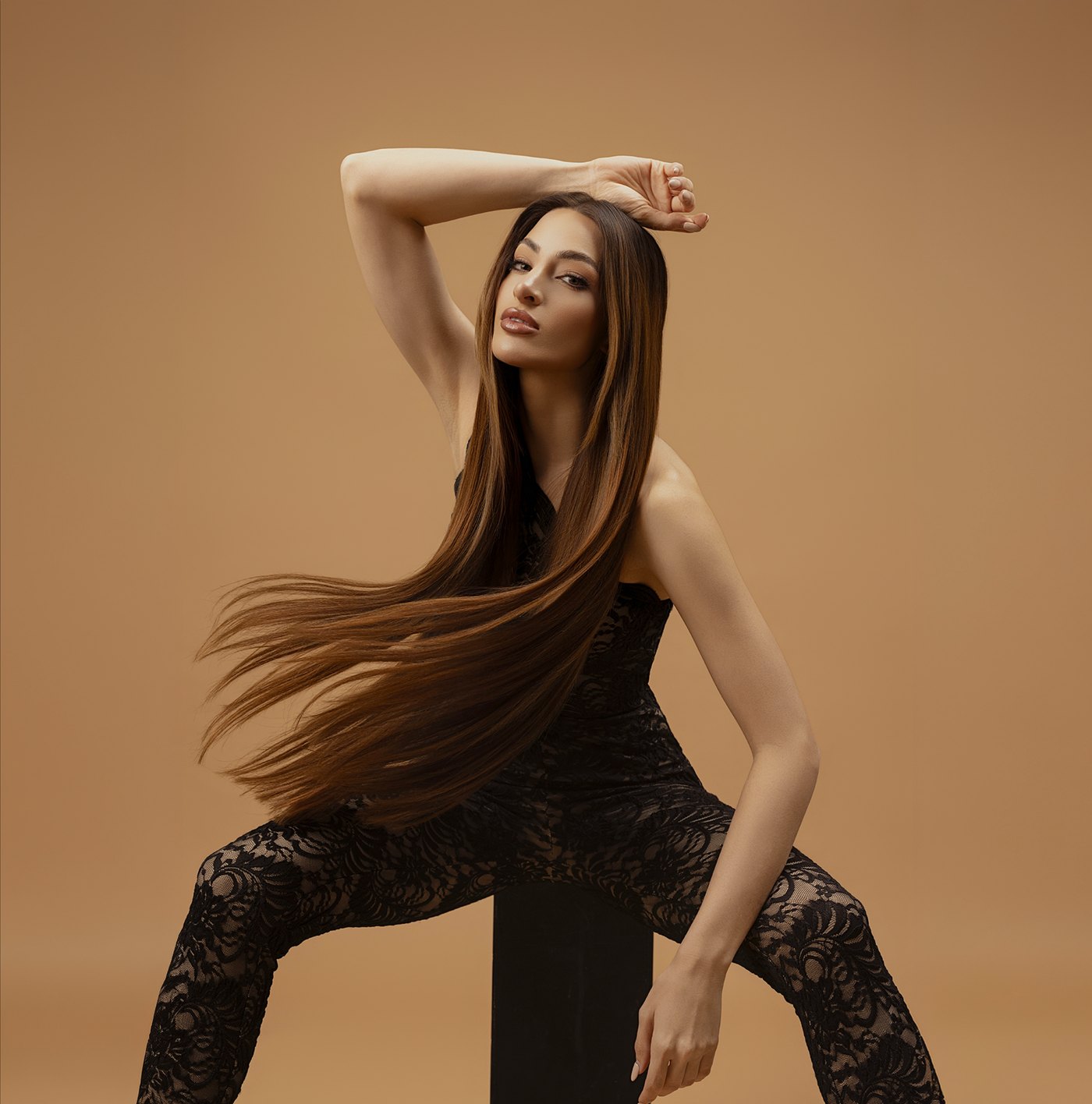

By late August, the schedule usually starts to compress in the same way every year. A color correction runs long, two extension move-ups land in the same afternoon, and then the homecoming requests start stacking on top of regular salon traffic. Most of those guests don't want a simple curl set. They want fullness, visible texture, braid detail, clean photos from every angle, and a style that still reads polished after hours on the dance floor.
That's where many salons either protect margin or give it away. Homecoming styling isn't a quick add-on service. It's structural work. The stylist has to build durability into the foundation, choose extension placement that supports the finish, and price for the time required to produce a look that survives movement, humidity, accessories, and repeated touch points.
For stylists who offer hair styles for homecoming at a premium level, the win isn't just a pretty result. It's a result that lasts, photographs well, and justifies both the service ticket and the client's trust.
A homecoming client sits down with a photo of loose curls and a soft twist. Three hours later, the ultimate test is not the mirror. It is whether the crown still holds after photos, the dance floor, heat, and repeated head turns. That gap between a pretty finish and a style that survives the event is where premium pricing starts to make sense.
Homecoming work is often sold as a quick special-occasion add-on. In practice, it is structural styling. The stylist is managing density shifts, extension weight, hidden support points, timing, and comfort, while still delivering a result that reads soft on camera. Clients may ask for a half-up style, a ponytail, or a textured updo. The profitable service is the one built to last, photographed from every angle, and priced for the labor and technical judgment behind it.
Salons that treat this season as a high-volume rush usually create the same problems. Schedules compress, extension add-ons get undercharged, and stylists are expected to deliver editorial detail on appointment times built for basic formal hair. A better model is to package homecoming as a technical category with defined prep standards, extension policies, timing buffers, and upgrade paths. That shift protects margins and improves consistency across the team.
Long-wear formal styling depends on architecture. The visible design only works if the support underneath matches the hair type, the event conditions, and the planned silhouette.
Practical rule: If the style only holds from the front, the work is incomplete.
Product choice affects profit here too. Heavy slip at the root, excess shine through the base, or the wrong extension prep can add twenty minutes of correction time. I prefer building a service menu around products that maintain grip, brushability, and extension compatibility. A clear retail and backbar standard, including the products that support durable extension work, gives the team a repeatable system instead of stylist-to-stylist guesswork.
Homecoming clients are not only paying for a style name. They are paying for hold, balance, comfort, speed under pressure, and reduced risk of failure before the night is over. Those are billable outcomes.
That is why one formal-style price usually leaves money on the table. Prep time, extension integration, added density, specialty pin work, and complexity should be costed separately. Once those elements are named clearly in the consultation, clients understand why a durable half-up with added hair is priced differently from a simple curled finish.
There is also a team advantage. A salon with a consistent build standard can train assistants to prep correctly, estimate timing with fewer surprises, and reduce last-minute fixes before the client leaves. That consistency is good service. It is also good business.
The foundation determines whether the style performs or photographs well for ten minutes. Most failures start before the first pin goes in. Hair that's too soft, too clean, too conditioned through the root, or too poorly sectioned won't support formal work for long.
A strong homecoming finish starts with controlled grip. That doesn't mean overloaded product or stiff shellacking. It means building friction where the style needs support and preserving movement where the client expects softness.

For most formal styling, the ideal canvas isn't freshly clarified and slippery from root to ends. It's clean hair with restraint in conditioning near the base, followed by texture rebuilding during the blow-dry. If the cuticle lies too flat and silky, braids slide apart, crown lift collapses, and pins shift under motion.
A reliable prep sequence looks like this:
Stylists who need a product workflow reference for extension-safe prep can review extension prep and finishing product considerations.
Method selection should follow the final silhouette. For body through the mid-lengths and ends, a Thin Weft can disappear more cleanly than a bulky track under soft movement. For perimeter fullness in a down-style, Tape-In or Tape Weft placements can help maintain a flatter profile. For density concentrated into a ponytail or bun, a Volume Weft often creates a stronger base. For highly specific fill zones, K-Tip, fusion bonds, microlinks, or even Bulk for custom work may make more sense than broad-panel placement.
The technical question isn't “What adds length?” It's “What adds support without printing through the style?”
A few behind-the-chair filters help:
Instructional guidance for homecoming updos points to a four-step architecture: prep for grip, create directional volume at the crown, secure a low anchor point, then conceal structure with braiding or pinning, as outlined in formal updo tutorial guidance. That sequence matters because each step supports the next one.
Don't smooth the crown too early. Once the base loses grit, the shape starts slipping before the style is even finished.
The crown should lift from inside the section, not from a hard shell of spray. Backcomb in small zones, smooth only the outer veil, and keep the interior intact. Then place the anchor where the style's weight can sit. In most event work, a low anchor gives better control and a cleaner line than trying to suspend everything from surface pins alone.
A client sits down with three reference photos, wants polished movement that will hold through photos, dancing, and humidity, and expects the finish to look like her own hair from every angle. That service sells well because it looks soft. It commands a premium when the structure underneath is right.
Soft movement remains one of the most requested formal finishes because it photographs cleanly and still feels right for homecoming. It also exposes technical mistakes fast. Placement that sits too high will flash at the ridge. A curl pattern that shifts between the guest's hair and added hair will split into separate textures once the style is brushed out.
Industry trend reporting on homecoming consultations continues to show strong demand for soft waves, textured curls, and loosely dressed formal shapes, as noted in homecoming consultation trend reporting. The mistake is treating glam curls as low-skill work because the finish looks effortless. Durable down styling is engineering. The blend has to survive motion, touch-ups, and camera flash without exposing rows, bulk, or short natural pieces.

For polished glam curls, the extension work has to disappear under movement. Cuticle-intact human hair gives a cleaner reflective surface and helps control frizz bloom under flash photography. Remy alignment also keeps the wave pattern more consistent during brushing, refining, and recombing, which matters in formal work because the style is often reshaped several times before the client leaves.
Down styling fails when density is loaded too high on the head. Build fullness through the lower parietal and occipital zones so the silhouette expands where the style needs width and body. Keep the perimeter believable. Face-framing softness should come from the haircut, the front blend, and the final dress-out, not from forcing heavy panels close to the hairline.
For flatter installs, many stylists use low-bulk methods such as Thin Weft or carefully placed Tape-Ins. Product details and placement strategy for smooth tape-in installs are outlined in tape-in extension placement considerations.
Color matching also drives the finish. A single flat match often looks obvious once the curls open and light passes through the interior. Build the extension formula the way a colorist reads dimension, from the client's root depth through the mids and into the visible ends, using families such as Solid, Balayage, Highlights, Rooted, or Superblend. Formal curls separate the hair into ribbons, so any tonal mismatch inside the set becomes visible.
A practical curl map:
Set the extensions and natural hair together whenever possible. Curling them separately often creates a visible break in rhythm.
Check the style in motion, not only in the mirror. Have the guest turn, tilt, and give the hair a light shake. If a weft edge flashes, the issue is usually placement, overdirection, or a veil section that is too thin to cover the attachment.
This is also where profitability shows up. A five-minute quality-control check prevents the unpaid redo, the next-day complaint, and the discount that erases margin from a premium service.
Use this quick quality-control table before checkout:
| Issue | Likely cause | Correction |
|---|---|---|
| Visible attachment line | Placement too high or top veil too sparse | Drop the row or increase veil coverage |
| Natural hair looks shorter through the sides | Not enough side fill or poor front blend | Add targeted density lower, not at the hairline |
| Curls separate into two textures | Different heat pattern on extension hair | Rework larger blended sections together |
| Finish drops too fast | Hair was too soft during prep | Reset root texture and reinforce the shape |
Half-up work gets underpriced because it looks easy. Structurally, it isn't. The style has to preserve softness in the lower hair while giving the upper section enough internal support to survive dancing, hugs, weather shifts, and repeated photos from the back.
Start with the lower hair. If the down section has no pattern, the upper section won't have anything to sit against visually. Pre-set the full head with a consistent bend before isolating the half-up zone. This matters even more on layered cuts because the lower movement becomes the camouflage for pins, seams, and shorter pieces.

For stylists who need added fullness in the lower section without committing to a full install, Clip-Ins can work well when they're inserted with a clear plan and concealed beneath prepared texture. Shade-specific examples of clip-in integration can be reviewed in dark brown clip-in extension applications.
For romantic half-up looks, a repeatable method is to create a curled base first and then use braids as stabilizers. Instructional guidance notes that braid tension distributes stress across multiple anchor points, improving hold for dancing and movement, as shown in half-up braid method examples. That's the technical distinction many style galleries skip.
Instead of pinning two loose twists into polished hair and hoping they stay, build a hidden support network:
This creates a shape that looks soft but behaves like a framework.
A half-up style should carry weight through the interior, not through the decorative surface.
Pinning sequence matters as much as pin count. Too many visible bobby pins at the surface flatten the romance of the style. Too few internal crossings make the whole structure drift.
Use crossed pins inside the support point, then hide surface details with texture, braid expansion, or a small veil of curled hair. For slippery hair, reverse the pin direction so each insertion catches a true anchor rather than just the outer layer. If the guest has dense hair, split the upper section into smaller subsections and pin incrementally instead of trying to secure the entire half-up mass at once.
A strong finish should survive touch without feeling helmeted. That balance is what separates salon-level hair styles for homecoming from consumer tutorial versions.
A braided updo can look full, soft, and expensive in photos, then start collapsing at the crown before the client reaches the dance floor. The difference is rarely the braid pattern itself. It is load distribution, method selection, and how intentionally the interior support was built.
Braided updos stay in demand because they hide mechanics better than many formal styles while still reading detailed on camera. They also expose technical shortcuts fast. If density is placed in the wrong zone, the silhouette looks broad through the braid and weak through the transition, or heavy at the nape and flat at the crown. That kind of imbalance costs retention and remake time.
Extension planning for an updo should follow stress points, not just the client's inspiration photo. Extra length through the braid body can create beautiful expansion, but too much loose hair in the wrong area makes the style harder to pin, heavier to wear, and more likely to separate as the night goes on.

A more reliable approach is to assign density by function:
| Zone | What it needs | Common method fit |
|---|---|---|
| Crown and transition area | Lift with controlled surface smoothness | Fine support, selective fill |
| Main braid body | Expandable density and length | Weft support or targeted bonded fill |
| Bun or tucked finish | Internal mass that hides mechanics | Concentrated body rather than loose length |
| Perimeter and nape | Softness and concealment | Lightweight fill only where needed |
For clients with low natural density, lighter placement usually produces a cleaner result because expanded braids can expose attachment points quickly. Method selection for that hair type is covered in extension options for fine and thin hair.
This is also where profit is protected. Using less hair, placed with more intention, often gives a better finish and a better wear experience than overloading the head with length the design does not need.
A large braid only reads luxury when the expansion is consistent from top to bottom. Random pulling creates weak edges, visible gaps, and a frayed outline that photographs as dry even when the prep was correct.
Start with texture that can hold shape under tension. Hair that is too silky slides apart during expansion. Hair that is overloaded with product forms a stiff outer shell and makes the braid look chunky instead of full. I prefer moderate grit through the mid-lengths, cleaner roots, and ends that stay directional so the braid spine remains visible.
Use this order:
That sequence matters. Pancaking before the braid is secured creates distortion and forces extra pinning at the surface, which lowers durability and makes the finish look less refined.
Premium updo work depends on concealment. Elastics, pin clusters, bead points, and weft returns have to disappear inside the architecture of the style. The visible layer should be decorative. The internal layer should carry the weight.
Overlay braids, tucked loops, and controlled perimeter softness help mask dense support zones without sacrificing hold. If the client already wears hand-tied rows or another installed method, direct the shape around those attachment patterns instead of pulling straight against them. For special-event integration, targeted K-Tip placement or a compact Volume Weft can add body exactly where the braid needs expansion and nowhere else.
Stylists who want more advanced finish work, including concealment strategy and formal-event shape control, can refine those skills through Conde Education resources.
The homecoming ponytail has moved well beyond a fallback style. Done correctly, it's sharp, lifted, and durable. Done poorly, it drops, twists, or creates enough scalp tension to distract the client before photos are even finished.
A formal ponytail needs a real base. That usually means separating the head into zones and securing tension progressively instead of trying to sweep all the hair into one elastic. The top should direct cleanly into the ponytail without bubbling. The lower section should support the weight so the style doesn't hinge backward as the night goes on.

Section with intention:
If the guest has previous extension work such as tape-ins, beaded row installs, microlinks, or fusion bonds, the ponytail direction has to respect those attachment points. Pulling against the wrong angle may expose them or create discomfort.
The most common mistake in a statement ponytail is adding too much hair to a weak base. Length isn't the problem. Unsupported length is. If the style calls for dramatic density, spread support through the interior first and attach the added weight to something stable.
A Volume Weft or Tape Weft can give the ponytail a fuller body, but the stylist still has to build the correct support under it. That might include a compact cushion at the base, a doubled elastic system, or internal pins that lock the ponytail to the head shape. The finish should feel secure without swinging as a separate unit from the client's own hair.
If the ponytail can rotate around the elastic, the base isn't finished.
The silhouette should also match the client's features and outfit. A very high ponytail can sharpen the profile and expose extension seams at the nape if the lower support isn't clean. A mid-height or low statement ponytail may offer better comfort and stronger wear depending on density and neckline.
The wrap is where the style either looks editorial or looks unfinished. Use a reserved section with enough density to cover the base cleanly. Smooth it lightly, wrap with tension, and anchor the end beneath the ponytail body rather than pinning into the visible side of the base.
Before the guest leaves, test comfort in motion. Ask for a head turn, a downward glance, and a small shake. If the base pulls at one point, redistribute before setting the final spray. A style can look secure and still wear badly. For homecoming, that's a service failure.
A strong ponytail should feel firm, not punishing. That distinction keeps the guest confident through photos, dinner, dancing, and the ride home.
Special-event bookings become more profitable when the consultation gets specific. Many guests arrive with screenshots that show a front angle and almost nothing else. That isn't enough information to quote accurately or choose the right support strategy.
Most homecoming content focuses on aesthetics, but it rarely addresses the durability question stylists hear most often: which style will survive 6 to 10 hours? That practical gap is a meaningful differentiator for professional services, as noted in coverage of common homecoming hairstyle inspiration content.
That single question should reshape the consultation. Instead of only asking what style the guest likes, ask what the night looks like.
Key consultation points:
For salons building a more consistent intake process, a structured hair extension consultation workflow can help support method selection and expectation setting.
A “half-up” can be a quick formal style or a labor-intensive service with pre-curling, extension integration, anchor building, accessory placement, and reinforced pinning. Pricing all half-ups the same teaches clients to compare by style label instead of by work performed.
A stronger model separates price drivers such as:
This also protects the schedule. If one guest books a “simple ponytail” that requires a full prep set, added length, and a wrapped structural base, the salon shouldn't absorb that labor because the intake wording was vague.
Client satisfaction improves when aftercare is part of the service, not an afterthought. Every homecoming guest should leave with concise instructions that match the style.
That usually includes:
| Style type | Client guidance |
|---|---|
| Down-style or glam wave | Don't brush aggressively. Use fingers first and preserve the face frame |
| Half-up | Don't pull on the decorative sections when adjusting front pieces |
| Updo | Remove pins methodically at home and avoid sleeping in the style |
| Ponytail | Don't tighten the base with extra elastics or clips |
A final mirror check should cover profile, back, comfort, and accessories. If the client understands how to protect the structure, the style has a much better chance of still representing the salon well at the end of the night.
Stylists who want stronger formal-style execution, more predictable extension integration, and cleaner consultation systems can explore Conde Professional for professional hair extension categories, tools, and education built for salon use.


