Your cart is empty
Tax included and shipping calculated at checkout

Drawer menu
Tax included and shipping calculated at checkout
A professional account gives you stylist pricing, priority support, early access to new releases, and education developed by working stylists.
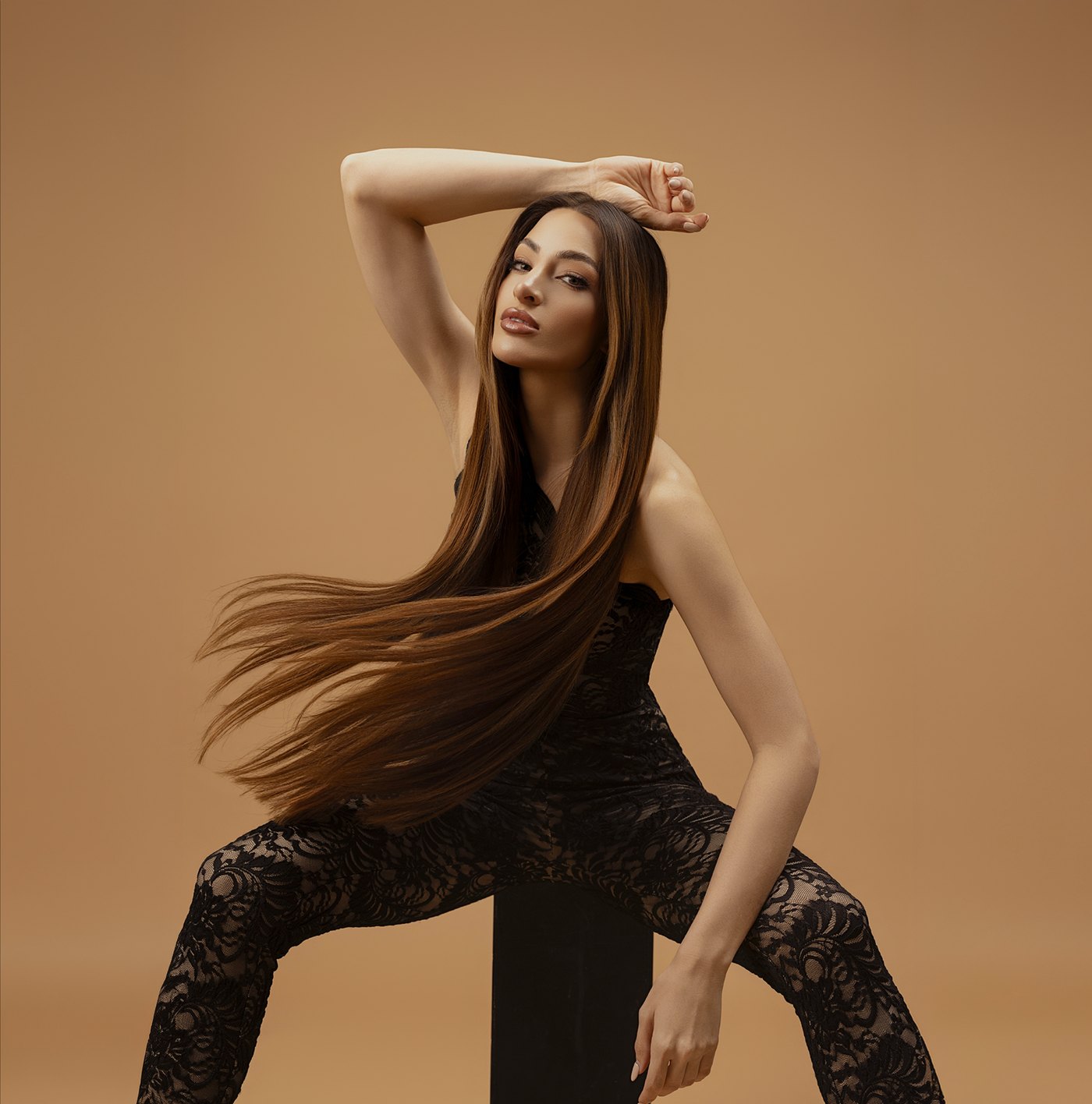

A stylist finishes a clean install. The row spacing is disciplined, the sectioning is precise, the weight distribution is right, and the extension choice fits the guest's density. Then the client turns toward the window and something shifts. The blend isn't wrong enough to call a failure, but it isn't invisible either. The color reads flat through the mids, too cool at the perimeter, or disconnected at the seam.
That's the difference between technical installation and extension mastery.
Modern salon color makes this harder than most education admits. Balayage, rooted blondes, soft shadow roots, lived-in brunettes, and dimensional gloss work all demand more than picking a single swatch. Multi-tonal services like balayage or rooted looks are common in 70% of salon extension installs, and professional data shows a 42% failure rate in balayage matches without using color rings according to professional color match guidance for extension installs. Most consumer-facing advice still treats color matching like a one-shade decision. Behind the chair, that approach falls apart fast.
The strongest extension work disappears. Not just in a mirror under salon LEDs, but in daylight, in movement, in photos, and after the first wash. That kind of blend doesn't happen because the install was tidy. It happens because the stylist matched depth, undertone, pattern, and placement with intent.
A flat match is one of the most common professional misses. The chosen hair may be technically close in level, but if the guest wears balayage, rooted color, or a soft ribboned blonde, a single-tone extension will sit on the hair instead of inside it. The result is often most obvious at the seam area and around the face frame.
Practical rule: If the extension color can be identified as a separate panel under natural light, the match wasn't finished.
Strong extensionists differentiate themselves from installers through their nuanced approach to color matching. They don't ask only, “What shade is this client?” They ask, “Where is the depth sitting? Where is the lightness concentrated? What pattern repeats through the mids and ends? Which method will expose or soften that pattern?”
Method choice changes what needs to be matched. Hand-tied, beaded row, and Volume Weft installations can carry layered dimension through a row. Thin Weft and Tape Weft work can refine perimeter detail. Tape-In placement demands discipline because color misreads show quickly in finer sections. K-Tip, fusion bonds, microlinks, and Bulk-based custom work allow the most granular color distribution, but only if the stylist builds the blend before installation instead of hoping a haircut will blur it later.
The invisible blend is never an accident. It's a system.
Every reliable match starts before the color ring comes out. Consultation isn't a formality. It's where the stylist identifies what the hair is doing now, what the guest wants it to do after install, and what the extension hair must mimic to make that happen.

A complete extension consult should also cover maintenance rhythm, prior salon color, home toning habits, and whether the client expects a natural-looking grow-out or a fresh post-color finish every appointment. Stylists who want a tighter intake process can adapt the workflow from this hair extensions consultation guide for salon services.
The same blonde can behave very differently depending on how it got there. A glossed blonde with compact cuticle and cool surface reflection won't read like a heavily lightened porous blonde, even when the level appears similar from a distance. That matters because extension hair has to live next to the client's fiber, not just resemble it in a swatch book.
A useful consultation checklist includes:
Hair history changes color perception. The formula has to match the client's real-world hair, not the freshest version from appointment day memory.
Color matching accuracy depends on evaluating hair at its mid-lengths and ends, not the roots. Roots are naturally darker, while ends can be faded. Professional guidelines specify matching swatches to the bottom portion of natural hair where the extensions will visibly blend, as outlined in this professional guide to matching extensions at the mid-lengths and ends.
That rule changes how an extension consult should physically happen. The guest should be analyzed in soft natural light whenever possible. The stylist should lift and separate the hair to see the seam area, the visible mids, the perimeter, and the lengths under the top layer. Matching to the root leads stylists into over-dark choices that create a shelf effect below the attachment.
A quick chairside framework helps:
| Area to inspect | What it reveals | Why it matters |
|---|---|---|
| Mid-length body | Dominant baseline | This is the anchor for most blends |
| Seam area | Visible transition zone | The install has to disappear here |
| Ends | Fade level and tonal drift | Needed for length additions |
| Hairline and front | Brightness concentration | Critical for face-framing harmony |
Undertone has to be read separately from level. A white towel or cape near the hair helps isolate whether the reflection pulls warm, cool, or neutral. Then the stylist can decide whether the extension match needs neutral support, extra warmth, or a cooler ribbon to keep the blend from going muddy.
The final part of analysis is structural. Cuticle condition, density, and texture finish influence how color reads once installed. Straight cuticle-intact hair reflects more cleanly. A matte, slightly expanded natural fiber may need more dimensional placement so the extension hair doesn't look too polished by comparison.
A professional color ring isn't a backup tool. It's the tool. Stylists who try to match from online imagery, memory, or shade names alone usually create preventable corrections later. The ring shows level, undertone, diffusion, and neighboring shades in a form the eye can compare against the client's hair.
The working tool for that process is the Conde Professional Color Ring for extension shade matching.

A strong color ring session doesn't start with fanning random options against the crown. It starts by isolating the dominant baseline in the hair's visual blend zone. For most installs, that means the mids and the seam area, then the ends, then any highlighted or rooted pattern that needs to be echoed through the extension placement.
The ring should be opened and fanned so the stylist can compare adjacent shades, not isolated candidates. Looking at one swatch at a time often causes overcorrection. A shade that seems right alone may read too warm, too dense, or too clean once neighboring options are visible.
Three habits improve accuracy fast:
A repeatable system removes guesswork. A 5-step systematic approach using a professional color ring in natural daylight yields up to a 95% undetectable blend success rate. Key steps include assessing mid-lengths, fanning swatches to simulate diffusion, and selecting 2-3 shades to mimic natural gradients, according to this five-step professional color ring method for extension matching.
That protocol becomes practical behind the chair when it's translated into install behavior:
The color ring answers two questions at once. What shade is present, and how is that shade distributed?
Many extension matches falter because stylists fall in love with the shade label instead of reading the pattern in the client's hair.
A rooted guest doesn't always need a Rooted extension. If the visible blend zone sits below the root shadow and the mids are softly diffused, a Balayage or Superblend pattern may disappear better through a weft method. A sharply defined regrowth line paired with brighter lengths may benefit from a rooted pattern, especially in Tape-In or K-Tip work where the transition near the attachment matters more.
A useful selection framework looks like this:
For hand-tied, Volume Weft, and beaded row installs, the stylist can spread color placement across the row. For Tape Weft, Tape-In, and Thin Weft detail work, the stylist often needs a more exact seam match because there's less room for visual forgiveness. K-Tip and microlink specialists can distribute color piece by piece, which is powerful but less forgiving if the blend plan isn't mapped first.
The cleanest color matches are often built, not found. Natural hair almost never reads as one exact tone from seam to ends, especially on guests wearing dimensional salon color. That's why the industry standard for precise color matching requires using 2-3 different shades per client, because natural hair is rarely a single uniform tone and the multi-shade approach better replicates dimension, as noted in this professional guidance on using multiple shades for precise extension color matching.

Stylists planning custom work should also understand what can and can't be safely altered later. This matters when deciding whether to order a stronger dimensional mix or make a minor tonal adjustment afterward. The best practice is to start with extension hair intended for color integrity, then review the limits in a dedicated guide to dyeing hair extensions professionally.
Blending wefts inside the same row creates movement that no single package can replicate. In a beaded row or hand-tied stack, that may mean alternating a neutral base shade with a lighter ribbon every few wefts. In a fuller sew-in style using Volume Weft, it may mean anchoring the interior with depth and floating finer brightness through the top row and front return.
A few practical patterns work well:
This is especially useful for balayage guests. Their hair usually doesn't lighten evenly from left to right or from crown to ends. A row that alternates depth and brightness in a controlled pattern will read more like salon color and less like extension color.
The goal isn't perfect sameness. The goal is believable repetition of the client's existing color story.
K-Tip, fusion bond, and microlink artists have another level of control. Bulk hair can be blended before bonding, which allows the stylist to create custom tipped groupings that echo the guest's exact tonal movement.
That matters most on highlighted blondes, dimensional brunettes, and rooted guests with bright perimeter panels. Instead of placing one shade in a block and another beside it, the stylist can pre-mix fibers so each bond carries more than one visual note. The result softens the install immediately and reduces the need to rely on aggressive cutting for disguise.
A simple decision guide helps:
| Method | Best use for custom color blending | Caution point |
|---|---|---|
| Volume Weft | Broad dimension through fuller rows | Don't make the row too stripey |
| Thin Weft | Fine-tuning visible top layers | Keep contrast subtle |
| Tape Weft and Tape-In | Seam refinement and perimeter control | Exact seam match matters |
| K-Tip and microlinks | Micro-placement and custom tipping | Mapping must be planned before install |
| Bulk | Full custom bond preparation | Blend consistency must stay even |
Clip-In sets for session styling can also benefit from mixed-shade building, especially for bridal or event work, but they need the same tonal discipline as permanent methods. If the blend only works in one hairstyle, it isn't a real match.
A close match sometimes needs a final adjustment. Not a reinvention. Not a corrective overhaul. Just a controlled tonal nudge that aligns the extension hair with the guest's current finish.
That distinction matters because extension hair rewards restraint. Cuticle-intact Remy hair can tolerate thoughtful deposit work. It doesn't reward aggressive lifting, repeated experimentation, or vague “just cool it down a bit” formulas mixed on instinct.

Stylists handling blonde and dark blonde clients often run into this issue most. The extension hair may be level-appropriate but slightly too golden, slightly too beige, or just cleaner than the guest's natural mids. For that category of guest, the thought process in this dirty blonde hair extensions color strategy guide is useful because it forces a more precise read on warmth versus softness.
A deposit-only tone makes sense when the extension shade is already structurally right and the issue is purely tonal. Common examples include a blonde that needs a softer neutral veil, a brunette that needs a touch more richness, or a highlighted blend that needs the warmth dialed back slightly.
The key is to test first. A small concealed section of the weft or a spare piece should be toned and dried before any formula touches the full install hair. Wet hair can lie about tone, and extension hair can grab differently than expected.
A safe toning workflow usually follows this order:
The professional judgment call is whether to tone the extensions, tone the client's natural hair slightly, or leave both alone and adjust placement instead. Sometimes the cleaner solution is a quick gloss on the guest's own mids and ends. Sometimes the extension hair needs the adjustment because the client's salon color is the anchor.
What shouldn't happen is lifting extension hair to chase a lighter result. That creates unnecessary risk for integrity, softness, and longevity. If the extension hair is materially too dark, too dense, or too warm at the wrong level, replacement is usually the cleaner professional decision.
A few practical guardrails help:
A final polish should make the client's hair look more intentional, not more processed.
The service isn't finished when the hair is installed and styled. The result has to be repeatable. If the client returns for move-ups, fresh Tape-Ins, a K-Tip rebond, or a full replacement set, the stylist should be able to recreate the blend without rebuilding the formula from memory.
Every extension client file should include the same level of specificity expected from a serious color correction chart. Shade names alone aren't enough. The stylist needs the exact blend logic.
A useful documentation record includes:
Stylists who want stronger retention systems should also pair the file with install photos in natural light. Front, side, back, and seam-area images save guesswork later.
The client can ruin a great match with the wrong maintenance in a week. The stylist has to prescribe care, not casually mention it at checkout. A written plan helps, and this guide on how to take care of extensions is a useful reference for building a salon-standard aftercare handoff.
The aftercare conversation should stay specific:
Clients remember when their second appointment looks as good as their first. That consistency comes from records, discipline, and aftercare that's treated as part of the service rather than an afterthought.
Stylists who want a tighter color matching system, refined shade families, and salon-built extension methods can explore Conde Professional for pro tools, education, and extension lines designed for controlled, well-blended installs.


