Your cart is empty
Tax included and shipping calculated at checkout

Drawer menu
Tax included and shipping calculated at checkout
A professional account gives you stylist pricing, priority support, early access to new releases, and education developed by working stylists.


Tape-ins favor speed and broad density for moderate hair, with a full application taking approximately 30 to 60 minutes. I-tips allow strand-level customization, but installation generally takes 2 to 4 hours and demands precise bead tension management.
That difference is more than an appointment-length issue. It reflects two separate attachment philosophies, and the method selected changes sectioning, load distribution, concealment, maintenance, and the stylist's margin for error. The counterintuitive point is that neither adhesive nor mechanical attachment makes an extension service automatically safe. Sustained tension, unsuitable section sizes, excessive extension weight, delayed maintenance, and aggressive removal can compromise natural hair with either system.
Tape-ins use adhesive wefts that sandwich a controlled section of natural hair. They're the practical choice when the service calls for rapid, broad coverage, added density through panel placement, and a relatively flat result. I-tips use individual strands secured inside small beads or micro-rings, generally without heat or adhesive, so they're better suited to customized placement, directional movement, and strategic density mapping.
The decision should begin with the client's starting density and styling habits, not with a preferred method behind the chair. A client with moderate density who mainly wears the hair down may benefit from the efficiency and low profile of tape panels. A client who frequently wears high ponytails, half-up styles, or directional layers may need the individualized placement an I-tip system permits.
| Decision point | Tape-In | I-Tip |
|---|---|---|
| Attachment architecture | Two adhesive wefts sandwich natural hair | Individual strands sit inside mechanically secured beads |
| Primary strength | Fast, broad coverage and a flat profile | Strand-level placement and adjustable density |
| Installation demand | Efficient panel application | Detailed subsectioning, bead placement, and clamping |
| Styling consideration | Panel geometry can show in tight or lifted styles | Individual spacing supports more directional movement |
| Maintenance model | Removal, adhesive cleanup, and retaping | Removal, bead replacement or reclamping, and repositioning |
| Main technical risk | Adhesive sensitivity, unsuitable weft weight, or poor removal | Localized tension from small sections, heavy beads, or overcompression |
Tape-ins can create a consistent full-head foundation without the labor of placing every strand individually. That makes them useful for clients seeking length, density, or a color effect through a controlled panel layout. They're not the right answer for every perimeter, parting, or updo plan, particularly where a continuous panel could become visible.
I-tips give the stylist more decisions to make and more opportunities to refine the result. Strands can be placed around partings, layers, and finer sections where a panel would be difficult to conceal. The trade-off is a longer install and a stricter requirement for consistent subsection sizing and bead handling. A useful technical overview of the method is available in this guide to I-tip hair extensions.
Practical rule: If the result depends on coverage, start by mapping panels. If it depends on movement and concealment around irregular zones, map individual strands.
The historical record shows that added hair has been used for centuries, with wigs and added hair documented in ancient Egypt around 3400 BCE. Modern professional methods developed much later, including keratin bonding reportedly pioneered by hairdresser Simon Forbes in 1991, but the core salon question remains unchanged: how should additional hair be attached without asking the natural hair to carry more stress than it can tolerate? A history of hair extensions places tape-ins and micro-link methods among contemporary extension approaches while separating durability, scalp health, and aesthetic integration as distinct considerations.
Installation architecture determines appointment economics. Tape-ins use two adhesive-backed wefts placed around a controlled section of natural hair. The broad attachment area lets a stylist create coverage efficiently, but the panel still needs accurate placement, clean sectioning, and enough natural hair to support its weight.
I-tips are installed strand by strand. Each extension is inserted with a corresponding section of natural hair into a copper or silicone-lined bead, then secured mechanically. The absence of heat and adhesive changes the service process, but it doesn't remove the need for careful tension control. Every bead must sit consistently, avoid direct scalp pressure, and leave enough room for natural movement.
Published salon comparisons place a full tape-in application at approximately 30 to 60 minutes, with a refit cycle of 6 to 8 weeks. I-tip installation generally takes roughly 2 to 4 hours, while bead repositioning is commonly required every 4 to 8 weeks as the client's natural hair grows. See the installation timing and method comparison for the cited service ranges.
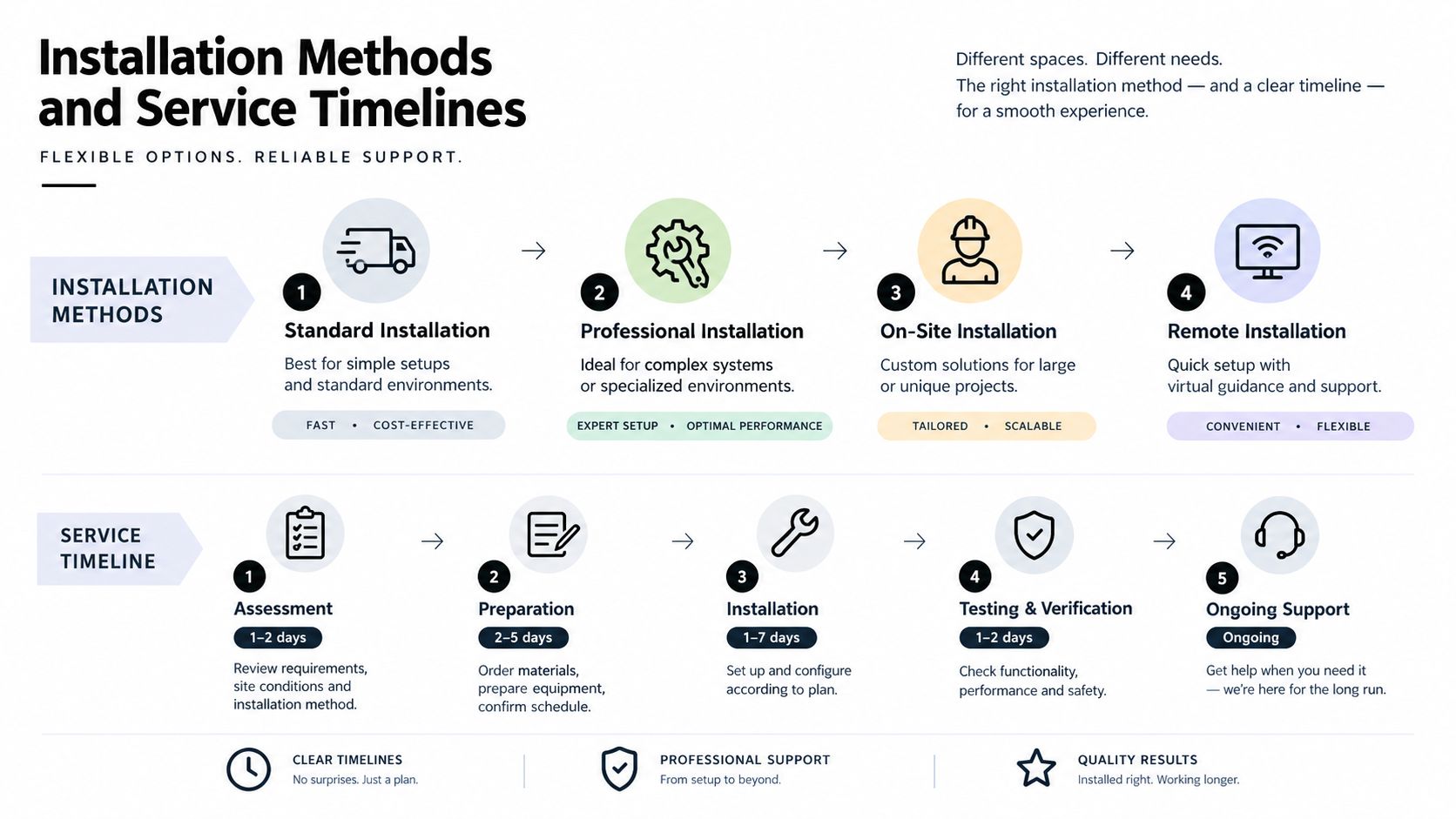
Tape-ins reduce the number of attachment events, which supports predictable booking and efficient full-head coverage. The labor doesn't end at placement. Removal requires controlled separation, adhesive cleanup, inspection of the natural hair, and retaping before reapplication. A rushed cleanup creates a poor foundation for the next cycle.
I-tips require more labor at the initial install because each bead represents a separate placement decision. The stylist controls spacing, direction, density, and distance from the scalp one strand at a time. That additional labor can make the method suitable for customized work, but a salon needs to price and schedule it as a technical service, not as a faster alternative to panel work.
A refit appointment isn't an optional add-on. Growth changes the angle and tension at every attachment, and the service plan should account for that movement before the hair is installed. Clients who can't maintain the required schedule may be poor candidates for either method, regardless of their desired finish.
The broader professional category is established most strongly in premium service environments. Kline reports that extension services are offered in 60% of premium U.S. salons, compared with 52% of moderate salons and 38% of value salons, as reported in its professional salon extension analysis. Those figures don't prove that one method is safer or more profitable, but they show why installation time, rebooking, labor, consumables, and retention belong in the method decision.
A practical service plan should record the install format, expected refit window, removal process, product restrictions, and the signs that require earlier reassessment. The professional tape-in installation guide can support consultation and workflow training, but it shouldn't replace method-specific assessment of the client's hair.
Tape-in panels typically sit close to the scalp and create a low-profile result. That profile can work well for fine-to-medium density when the panel is correctly sized and placed, particularly for clients who wear the hair down or in relaxed styling. The limitation appears when the client's styling exposes the geometry of the attachment.
High ponytails, tight braids, lifted half-up styles, and sparse perimeter zones can reveal a continuous panel more readily than loose styling does. Cutting can soften that transition, but a haircut won't correct a panel placed into an area that lacks sufficient coverage. The stylist has to assess the client's parting pattern and habitual styling before choosing a panel-based architecture.
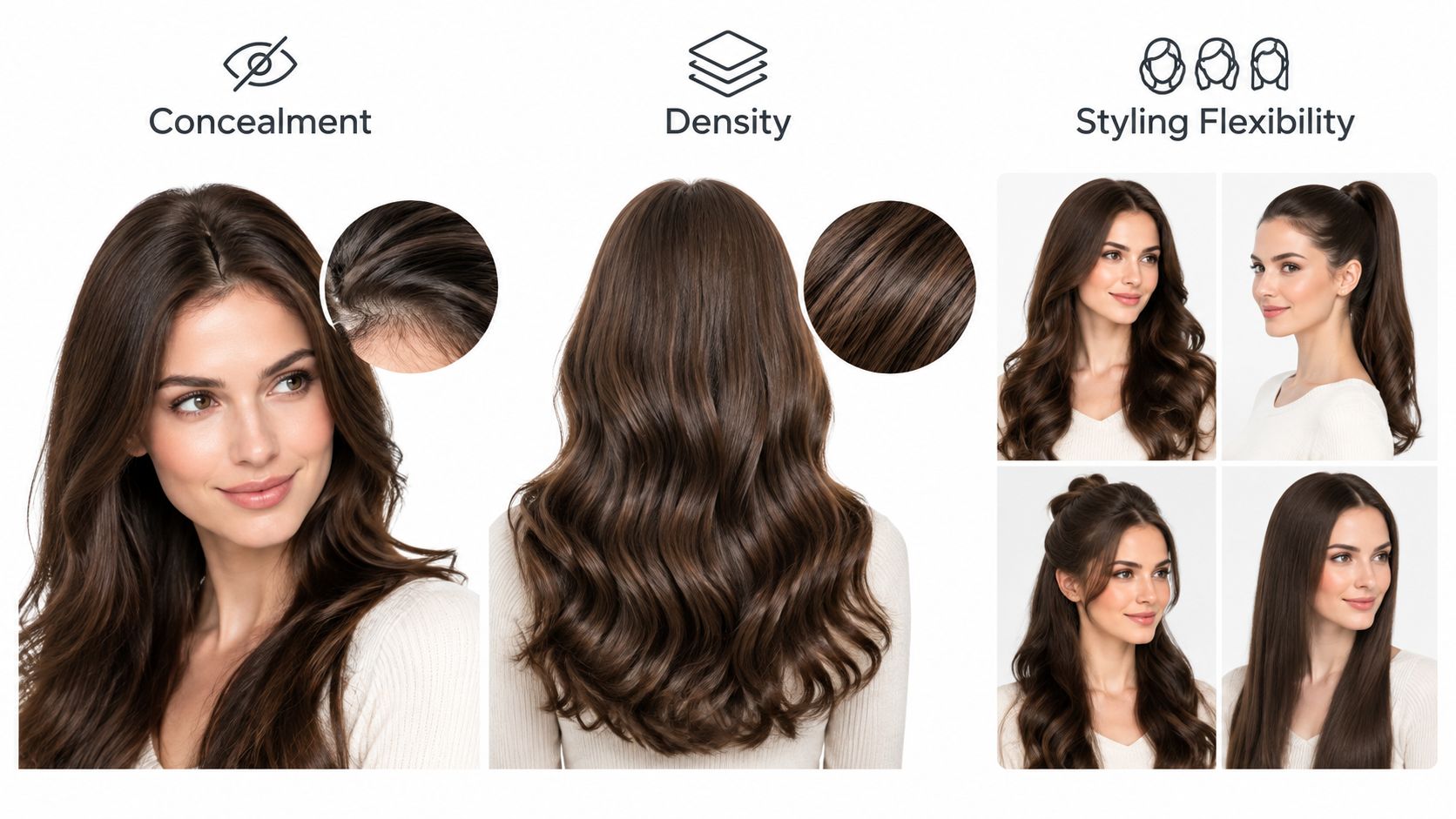
I-tips provide strand-by-strand spacing, so the stylist can alter density and direction around partings, layers, and finer sections. That doesn't guarantee invisibility. The bead must be isolated, aligned, and clamped carefully, and the extension must be placed where the client's natural hair can conceal it without constant pulling.
The difference becomes clear in a perimeter consultation. If the client wants fullness around the sides but regularly wears a high ponytail, individualized spacing can preserve movement and reduce the chance of a visible continuous edge. If the client wants broad density through the interior and normally wears the hair down, tape panels may produce the cleaner and more efficient result.
A blunt or heavily layered cut changes how extension hair blends into the natural lengths. Tape-ins can provide a stable foundation for a controlled shape, but panel placement must respect the line of the cut. I-tips can support more irregular mapping, although too much strand-by-strand variation can create an inconsistent density pattern if the stylist doesn't follow a clear section plan.
The collection format also affects how the result behaves. Tape-in extensions for volume are relevant when the goal is broad panel-based fullness, while an I-tip layout is more appropriate when movement and placement take priority. Texture, color placement, and the client's styling routine still determine the final blend.
A useful consultation question is not “Which method looks more natural?” It is “Where must the attachment remain hidden when the client styles the hair normally?” That question forces the service plan to account for real movement rather than a single down-and-styled photograph.
Attachment geometry determines how extension weight reaches the natural hair, so method selection must start with load distribution rather than appearance. Tape-ins spread the attachment across a wider, flatter surface. I-tips place force at several smaller points. Both can create traction when the extension mass, section size, compression, or maintenance schedule exceeds what the client's hair can support.
No extension method is damage-free by default. Tape-ins may cause problems through excessive weft weight, adhesive sensitivity, undersized sections, overdue refits, or aggressive removal. I-tips can create localized stress when one bead carries too much hair, the subsection is too small, the bead is clamped too tightly, or repositioning is delayed.
A British Journal of Dermatology report on traction alopecia associated with hair extensions documented sustained extension tension as capable of loosening the hair shaft from its follicular ostium and producing chronic inflammation that may progress to scarring and permanent alopecia. The finding supports conservative salon practice. It does not justify claiming that either attachment system is universally safe, particularly for fine, fragile, or medically vulnerable hair.
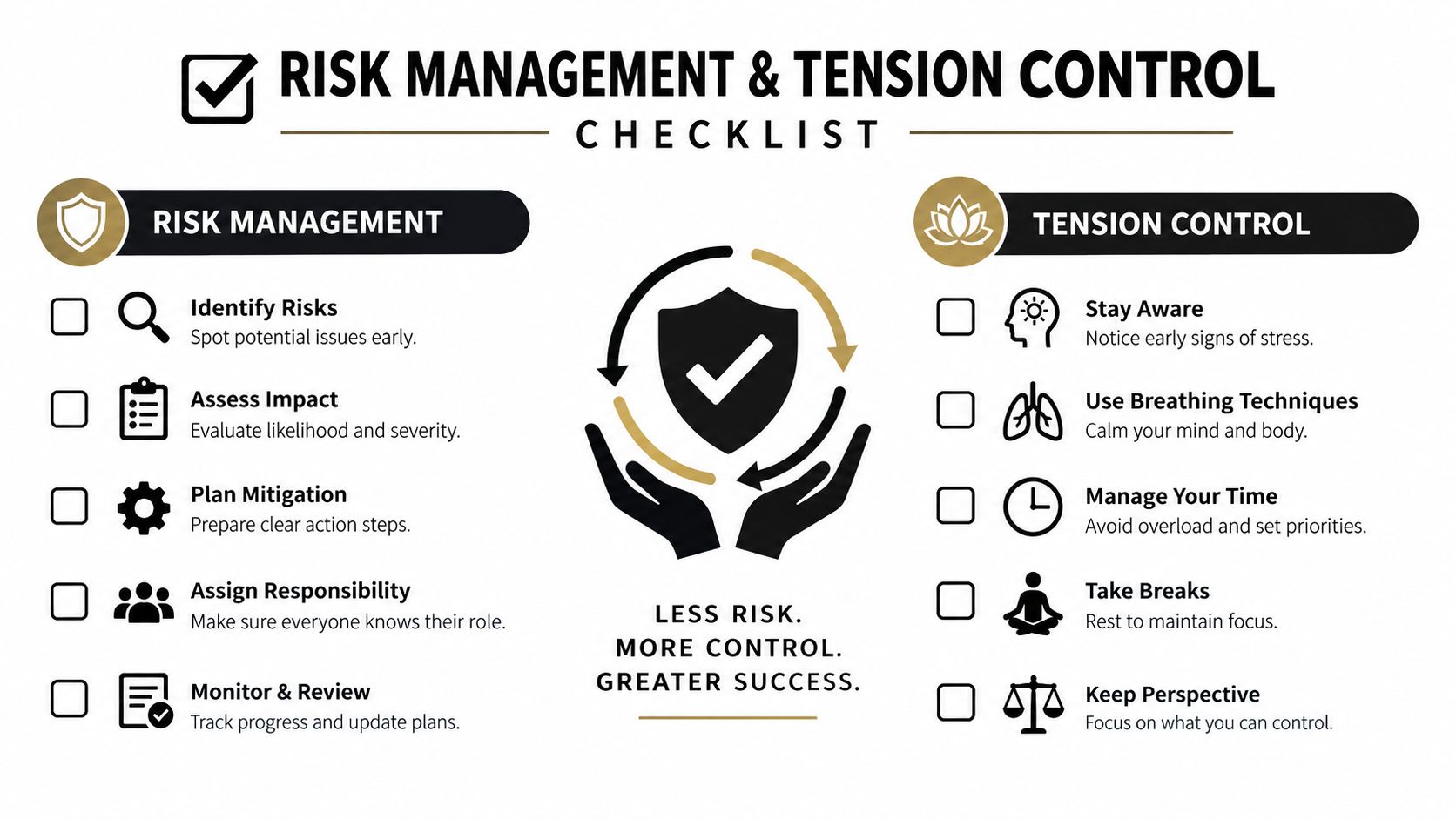
The consultation should document scalp symptoms, visible thinning, fragile perimeter hair, breakage, chemical compromise, recent shedding, and the client's ability to attend maintenance. A salon service should not diagnose or manage a medical concern. If the scalp or hair shows an issue outside salon scope, refer the client to an appropriate healthcare professional before installation. For further context, use this guide to tape extensions and hair damage.
Assess styling behavior as carefully as hair density. Frequent tight ponytails, buns, or other secured styles increase the load placed on attachment points. A client who insists on regular tight updos may not suit a panel or bead placement that becomes stressed under those forces.
Pain does not indicate a successful adjustment period. Tenderness, redness, follicular irritation, breakage, visible stress at attachment points, and excessive shedding require reassessment. Persistent discomfort or visible strain means continued wear should not be recommended.
Stop-use standard: Remove or reassess an attachment when the client reports pain or the stylist observes inflammation, breakage, or concentrated stress. Client tolerance is not a substitute for sound sectioning.
Apply a documented control process:
For a fragile client, the relevant question is whether the planned attachment can distribute its load without sustained pulling on hair that cannot support it. If the answer is uncertain, reduce the mass, change the geometry, delay installation, or decline the service.
Product format has to match installation architecture. Tape-in systems use broad adhesive panels, while I-tip systems use individual strands secured mechanically inside beads or micro-rings. Treating those formats as interchangeable creates problems in purchasing, consultation, sectioning, and service pricing.
The ICM explanation of hair-extension attachment systems identifies tape-ins as systems that sandwich natural hair between two wefts, while micro-link or I-tip systems thread natural hair and extension hair through a bead before clamping. The distinction matters because the collection format determines how the stylist controls coverage, movement, visibility, and localized weight.
Conde Professional offers these distinct collection formats, including Volume Weft, Thin Weft, Tape Weft, Tape-In, K-Tip, Clip-In, and Bulk. Its product quality process includes multi-point inspection for cuticle integrity, color accuracy, weight, and strand strength, but the selected format still has to fit the planned architecture and the client's natural hair.
“Is this hair suitable for the attachment format being planned?” is more useful than relying on a marketing grade. Labels such as 6A, 7A, 8A, 9A, and 10A have no governing industry body, so they shouldn't replace measurable questions about cuticle alignment, shedding, combability, wash durability, and strand integrity.
A professional order should also account for color matching, texture, installation accessories, and the intended service. The hair may be cuticle-intact, Remy, double-drawn, hand-tied, or another construction, but those descriptors must connect to the actual result and method rather than functioning as shorthand for quality.
A salon can make the method decision more consistent by separating four questions: what result the client wants, how the client styles the hair, how much maintenance the client can support, and what the natural hair can safely carry.
Choose tape-ins when the service needs fast, broad density, a low-profile interior result, and a predictable panel-based workflow. Don't choose them just because the install is shorter if the client regularly exposes the perimeter through tight styling or needs highly individualized placement.
Choose I-tips when the service requires strand-level density mapping, directional movement, or placement around areas where panels could show. Don't choose them only because they avoid adhesive or heat. The beads still create attachment points that demand accurate subsection sizing, measured compression, suitable extension weight, and timely move-ups.
The consultation should document:
For salon owners, profitability should be evaluated through labor minutes, consumables, removal time, replacement rate, rebooking behavior, and usable hair retained after repeated processing. Market growth doesn't establish that either method is universally safer, faster, more economical, or more sustainable. A transparent worksheet can compare service frequency, labor, adhesive remover, replacement tape, beads, packaging, and disposal assumptions without making unsupported environmental claims.
Professional education should cover architecture, sectioning, color matching, removal, and risk screening rather than focusing only on finished photographs. Certified hair-extension courses can form part of that education plan, alongside supervised technique development and documented salon protocols.
The concrete next step is to audit the salon's current consultation form and add method-specific fields for density, styling exposure, attachment weight, maintenance timing, scalp observations, and stop-use criteria. Then map each service menu item to the correct Conde collection format before placing the next professional order.
Conde Professional supplies distinct Tape-In, I-Tip, K-Tip, weft, Clip-In, and Bulk formats for licensed professionals, along with education and color-matching support. Review the collection architecture and professional resources at Conde Professional before selecting hair for the next tape-in or I-tip service.


